
Cultural Differences
Language and Communication
Navigating the linguistic landscape of Turkey can be quite a challenge for expats, as Turkish is the official language and is predominantly spoken throughout the country.
While you might bump into English, Arabic, and Russian speakers, especially in cosmopolitan areas like Istanbul and Antalya, it’s worth noting that only a small fraction of the population, around 17%, speaks English fluently.
This can make everyday interactions and integration into the local community more challenging.
However, you can manage with limited Turkish tourist hotspots since English is commonly taught in schools, and many young people and those in the service industry speak it fluently. Picking up Turkish is invaluable for thriving and connecting with the community. Starting with key phrases and gradually building your language skills can significantly enhance your experience.
Signing up for a language course or hiring a tutor, such as those recommended by the government like TÖMER, DİLMER, and Yunus Emre Institute, can speed up your learning. Embracing technology can also help you overcome language barriers. Real-time communication tools and translation apps are handy in day-to-day situations.
Additionally, immersing yourself in the culture through music and films with subtitles in your native language can be a fun way to improve your understanding.
Remember, learning a new language takes patience, persistence, and practice. It’s important to set realistic goals and seek regular feedback to make progress.
Social Norms and Etiquette
Turkey is a nation rich in traditions and social customs that reflect its diverse history and cultural heritage. As an expat, getting to know and respecting these norms is key to a harmonious life in Turkey. For example, when visiting a Turkish home, removing your shoes is customary.
It’s polite to accept offers of tea or coffee as a gesture of hospitality. Bringing a small gift like sweets or pastries is appreciated if you’re invited to dine. It’s polite to wait for the host to tell you where to sit and to follow their lead before starting to eat.
Body language and gestures also play a significant role in communication; some may have different meanings in Turkish culture. Being observant and sensitive to these nuances is crucial to avoid misunderstandings. The Turkish approach to hospitality is generous and respectful, and showing gratitude and consideration in return goes a long way in building strong relationships.
Religious Practices and Holidays
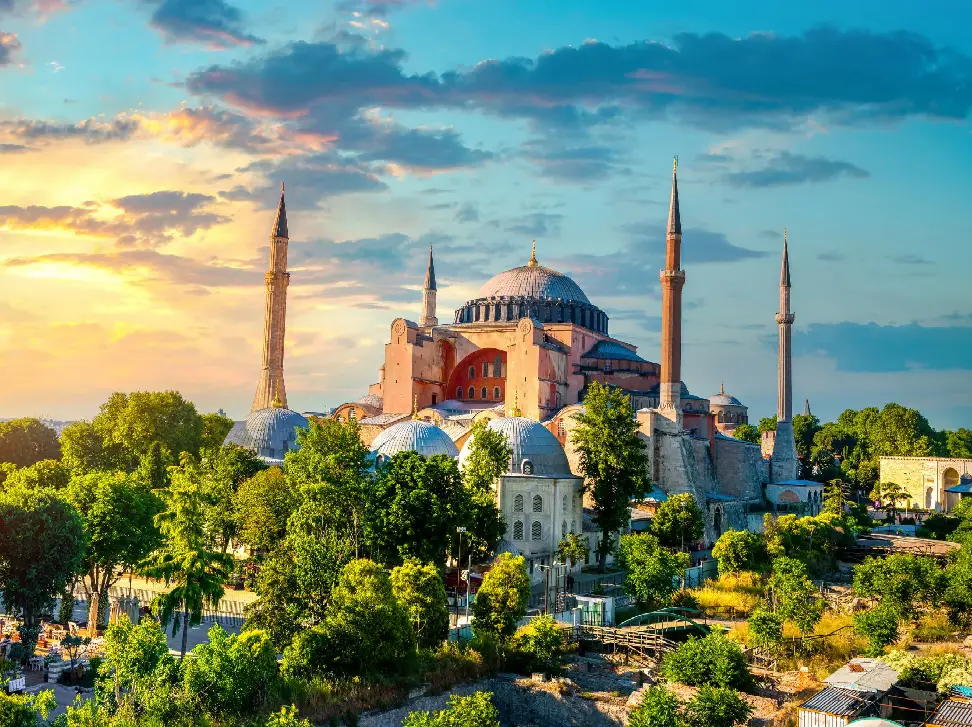
Religion, particularly Islam, plays a significant role in the daily life and culture of Turkey. The skyline is dotted with mosques, and when entering these sacred spaces, it’s important to dress modestly, remove your shoes, and for women, to consider carrying a scarf to cover their heads.
While non-Muslims aren’t expected to fast during the holy month of Ramadan, it’s respectful to refrain from eating, drinking, or smoking in public during daylight hours to show respect for those who are observing the fast.
Awareness of religious practices and holidays shows respect for the local culture. It gives you a deeper understanding of societal rhythms and offers the chance to participate in the rich tapestry of Turkish traditions.
Gender Roles and Family Dynamics
In Turkey, traditional gender roles and family dynamics can be more pronounced, particularly in rural areas. The family unit is central to Turkish society, with a strong emphasis on respect for elders and the roles of men and women within the household. As an expat, observing these dynamics and being sensitive to cultural expectations can help you form meaningful connections and gain insight into the Turkish way of life.
It’s also important to recognize that there’s a spectrum of beliefs and practices, as with any society. Urban areas may show more modern attitudes towards gender roles and family structures.
Managing Legal and Administrative Tasks
Residency Permits and Visa Requirements
Securing a Residence Permit is essential for those intending to stay in Turkey beyond the visa-free period allotted to tourists. This document is crucial for various activities, from employment to property acquisition.
Applications should be initiated on the Ministry of Interior’s website, followed by an in-person appointment at the Directorate General of Migration Management office. Required documentation typically includes an application form, biometric photos, a valid passport, proof of financial means, and health insurance coverage.
There are several categories of residence permits, including short-term (up to two years), long-term (indefinite duration), and family permits (up to three years). A work permit, which also serves as a residence permit, is necessary for employment purposes. It’s important to maintain legal status and be mindful of the duration of your stay outside the country, as prolonged absences may lead to the cancellation of your residence permit.